Elk Ridge Valley sits high in the mountains where native travel routes, summer grazing, mineral prospecting, and timber work shaped the first permanent settlement. A survey party marked the ridge in the late 1870s, and a supply town grew near the river soon after.
History of Elk Ridge
This fictional history is written in the same role as a town-history page: it gives visitors a sense of place before they arrive.
History of Elk Ridge
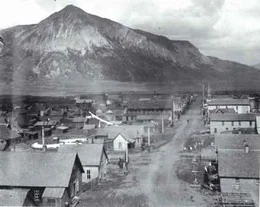
By the early 1880s, rail access and coal work turned the little settlement into a service center with hotels, stables, shops, banks, churches, and a busy main street. Workers came from several regions and countries, bringing languages, food traditions, unions, and community institutions that shaped daily life.
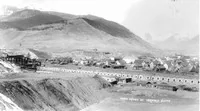
Coal camps, coke ovens, and company employment created opportunity and conflict. Strikes, wage disputes, accidents, and boom-and-bust cycles marked the mining years, while the town slowly built schools, public halls, and a stronger civic identity.
When coal demand faded, rail service ended and the population dropped. The empty buildings and open streets might have become a ghost town, but skiing, hiking, and heritage tourism gradually opened a new chapter.
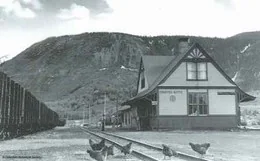
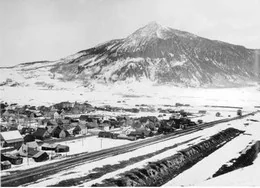
Today, Elk Ridge is imagined as a year-round mountain town with a protected historic core, a strong outdoor culture, and a community that still balances tourism with the quiet work of living in a remote valley.